

When someone close to you dies, there is already enough to manage. If no one takes charge of the estate, unanswered questions about the Will, property, debts and tax can add to the strain.
After three months, you may still be waiting for asset valuations or information from banks, making it hard to understand what the estate contains. By six months, if Inheritance Tax is due, it is normally payable by the end of the sixth month after death; interest may be charged if payment is late. At 12 months, unresolved administration can mean beneficiaries are still waiting and you are spending time chasing paperwork instead of settling the estate.
These are possible pressure points, not deadlines for completing every estate. Each estate is different. But the sooner you understand what needs doing, the better placed you are to avoid unnecessary delay and expense.
Choosing a probate solicitor is not simply about finding the nearest office or the lowest headline price. You need to know what work you are paying for, who will do it, and whether you need a solicitor at all.
First, what does a probate solicitor do?
A probate solicitor can help you establish what authority is needed to deal with the estate and guide you through the necessary steps. Depending on the estate and the service you choose, this can include:
- Checking whether a grant is needed. Some assets may pass automatically to a joint owner, while banks and other institutions have their own requirements.
- Identifying and valuing the deceased’s assets and debts.
- Working out what information must be reported to HMRC and whether Inheritance Tax is due.
- Preparing an application for a grant of probate or letters of administration.
- Dealing with the Probate Registry and HMRC.
- Collecting in estate assets, paying debts and expenses, and paying legacies.
- Preparing estate accounts showing what came into the estate and how it was dealt with.
A grant of probate is generally used where an executor named in a Will applies. Where there is no Will, an eligible person will usually apply for letters of administration. You can read the official guidance on applying for probate and applying where there is no Will.
Not every estate needs the same level of help. You might need a solicitor to manage the whole administration, help with the grant application only, or advise on a particular issue.

Compare the service, not just the headline fee
When you speak to firms, ask what their service includes. A quote for making a grant application is not automatically comparable with a quote for managing the entire estate.
Check whether the proposed work covers valuations, tax reporting, correspondence with institutions, collecting assets, paying debts, preparing estate accounts and distributing the estate. Ask what may be charged separately, such as property work, tax returns, additional advice, searches or other disbursements.
It is also worth asking whether the firm will tell you honestly if the estate is straightforward enough for you to deal with yourself. A responsible probate solicitor should explain your options, not assume that every family needs full-service administration.
Who will you meet, and who will do the work?
You may speak to one person when you first enquire, then find that someone else handles the file. Ask who will be responsible for your matter and who you should contact with questions.
Continuity can be particularly helpful when several family members are involved or the estate has complicated assets. Find out whether the person you meet will carry out the work, supervise it or pass it to another team member. There is no single right arrangement, but you should understand it before you instruct the firm.
Is the fee fixed, hourly or based on the estate?
Ask for the proposed fee in writing and check how it is calculated. Firms may offer a fixed fee for a defined piece of work, charge by the hour, or use another basis. A percentage-based fee can be worth examining carefully: the size of an estate does not always reflect how much work it takes to administer.
Questions to ask include:
- Is the fee fixed, or can it increase as work progresses?
- What assumptions does the quote rely on?
- What would count as work outside the agreed scope?
- Are VAT and disbursements included?
- Will you be told before extra work is carried out?
At Tyto Law, we explain the proposed probate fee in advance. Where the work can be clearly scoped as a fixed-fee service, we agree the fee and what it covers before starting. If a different basis is appropriate, ask for that to be clearly explained too. You can review our probate services and price list, then ask us to explain which option fits your circumstances.
Ask how the estate account and updates will be handled
The personal representatives, the executors or administrators, remain responsible for dealing with the estate. If a solicitor is helping, clarify who will manage estate funds and record payments, how receipts and expenses will be tracked, and when you will receive accounts.
Ask how often the firm expects to update you and whether updates will be by email, letter or phone. You should know whom to contact if you are worried about progress. Regular, clear communication can make a difficult process feel more manageable.
At Tyto Law, we provide one point of contact, aim to give straight answers without legal jargon, and keep you informed about the work. We can also explain whether your matter is suitable for grant-only assistance or needs wider support.
Choose a local service that works around your family
If you are searching for a solicitor Lincoln or a solicitor Crowle, location may matter, but so should convenience. Families may be spread across Lincolnshire, and executors often have work or caring responsibilities.
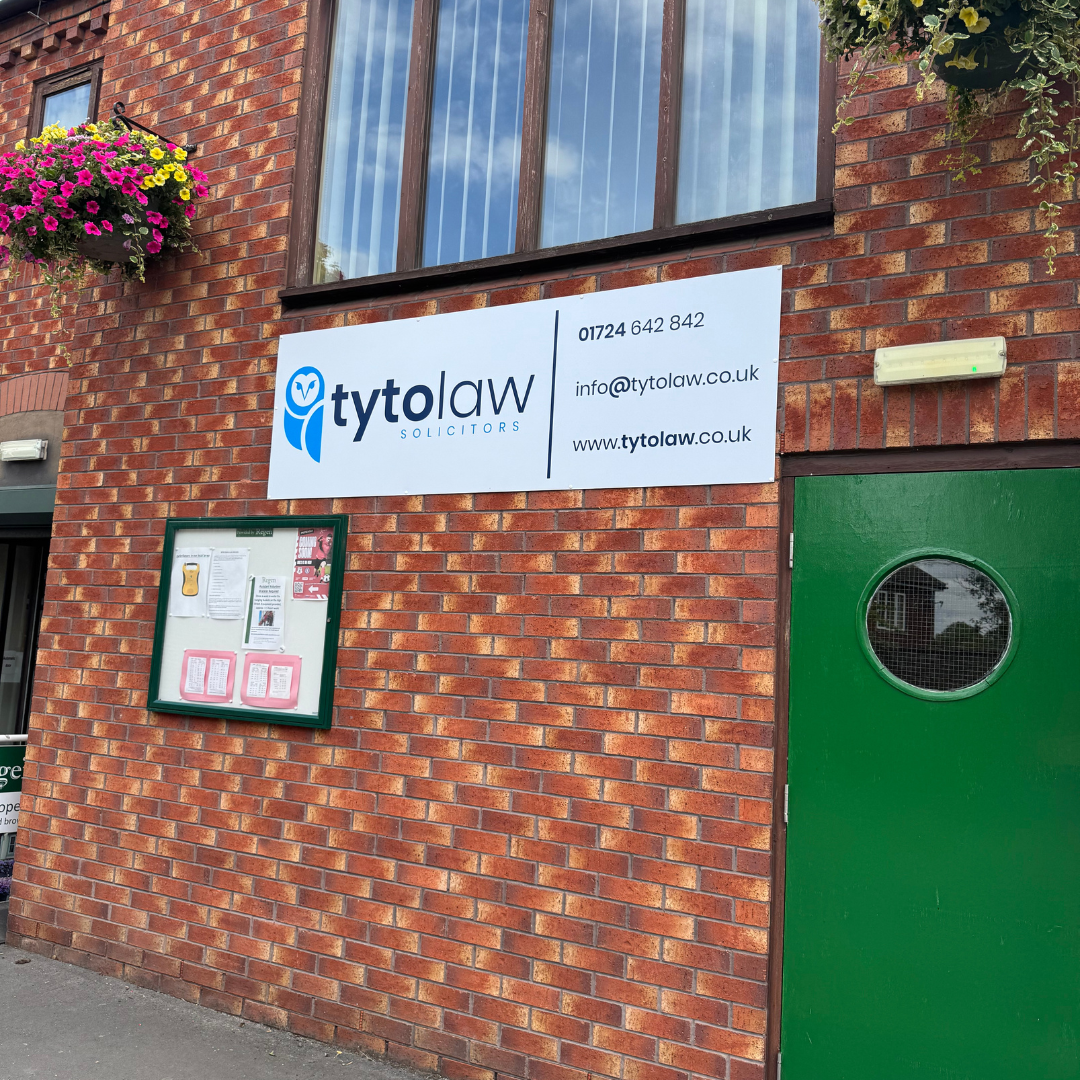
Tyto Law has offices in Lincoln and Crowle, North Lincolnshire. We can arrange appointments at home, at the office or online, with weekday, evening and weekend availability to suit families who work. You can find more about our locations and appointments.
A private client solicitor should be able to explain the practical choices in front of you and make clear when specialist advice is important, for example, where the estate is disputed, insolvent, subject to a trust, or includes difficult-to-value assets.

What to ask before you decide
Before choosing a probate solicitor, gather answers to these questions:
- What needs to be done in this estate, and is a grant required?
- Does your quote cover grant-only work or full administration?
- Who will carry out the work and be my main contact?
- How is the fee calculated, and what might cost extra?
- Who will manage the estate account and prepare the estate accounts?
- How often will I receive progress updates?
- If I do not need a solicitor for the whole process, will you tell me?
You do not have to hand over every task. Some families ask a solicitor to handle the grant application while they manage the remaining administration themselves. Others prefer to have a firm guide them through the whole process. The right choice depends on the Will, the assets, the tax position and how much time you can give to the work.
Talk through your options with Tyto Law
Choosing help should bring clarity, not another layer of uncertainty. We can talk through the estate, explain what may be involved and set out the available options before you decide how to proceed.
Tyto Law’s fixed-fee initial consultation is £175 where it applies. This fee does not apply to Wills, LPAs and Probate. Contact us through our probate page or get in touch to arrange a conversation at a time and place that suits you.
About Oliver Saxon

Oliver Saxon is the Principal Solicitor at Tyto Law Solicitors. He qualified as a solicitor in 2012 and established Tyto Law in 2018, with a focus on practical, client-centred legal services. Oliver and the team support clients from the Lincoln and Crowle offices and offer flexible appointments to suit individual circumstances. Read more about Oliver.